
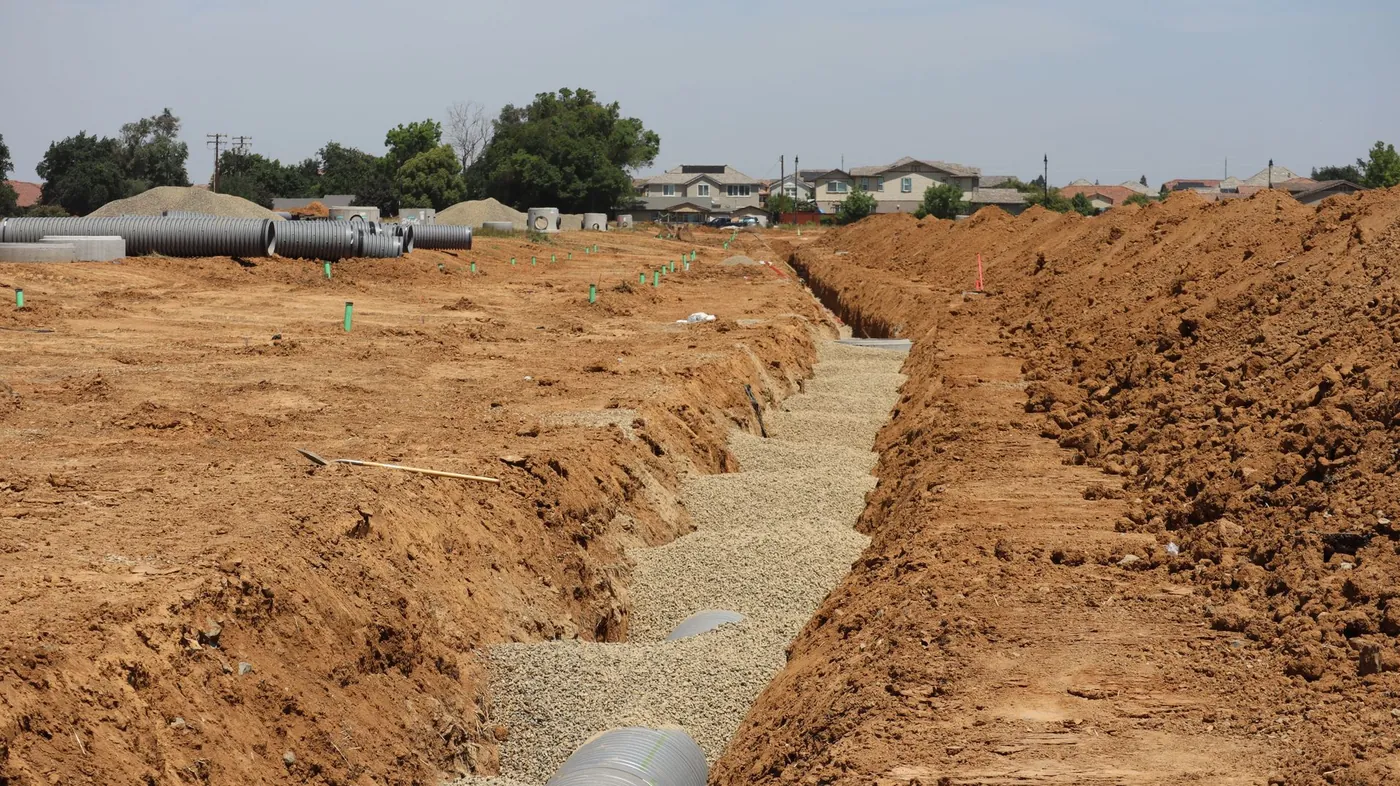
Storm Drain Installation in Manvel, Pearland & Greater Houston
When a yard drain is not enough pipe for the water a property has to move, the answer is a properly sized storm drain line.
About Storm Drains
There is a point where residential drainage stops being a four-inch line to the curb. A long driveway, a big roof, a half-acre of hardscape, a parking area, or several lots feeding into one low corner all move more water than a small system can carry. That is storm drain work: larger-diameter pipe, inlets and catch basins sized for real volume, and a connection to a ditch, culvert or existing storm line that can take it.
We install storm drain systems on residential lots, acreage and commercial property — new construction and retrofits on sites where the original drainage was never right. The design has to account for the volume the site actually produces in a Gulf Coast downpour and for where that water is permitted to go, because a storm line that ends in the wrong place simply moves the flooding to your neighbor.
What we handle
- Storm drain line installation in larger-diameter pipe
- Inlets, catch basins and grated structures sized for the flow
- Tie-ins to existing storm lines, roadside ditches and culverts
- Driveway and parking-area drainage on residential and commercial sites
- Storm drainage for new builds, additions and newly graded lots
- Combined systems where yard drains, French drains and a storm line all work together
How a storm drain project runs
- 1
Map the water
We look at everything draining to the problem area — roof, hardscape, slope, neighboring lots — and work out how much water the system has to move, not just where the puddle is.
- 2
Confirm the discharge point
Everything depends on a legitimate outlet with enough fall. If the connection involves a ditch, a culvert or a drainage easement, that needs to be handled correctly before anything is dug.
- 3
Size the system
Pipe diameter, inlet placement, grate type and slope all get chosen for the site. Traffic areas get structures that can take the load.
- 4
Install, backfill and restore
Lines go in at consistent grade, structures are set flush, trenches are compacted so you do not get a sunken scar across the yard, and the surface is put back.
Why size it properly
Built for Gulf Coast rainfall
Our storms do not drizzle. A system sized for the volume this coast actually gets keeps working when it matters instead of backing up at the first inlet.
Protects driveways and slabs
Water crossing a driveway or ponding against a slab undermines both. Intercepting it is far cheaper than repairing what it erodes.
Works for commercial sites
Parking areas, drives and large roofs concentrate water fast. Inlets in the right places keep a lot usable and safe during a storm.
One contractor, whole system
Storm line, yard drains, regrading and the landscape that goes back on top are all ours, so nothing gets installed twice or torn out by the next trade.
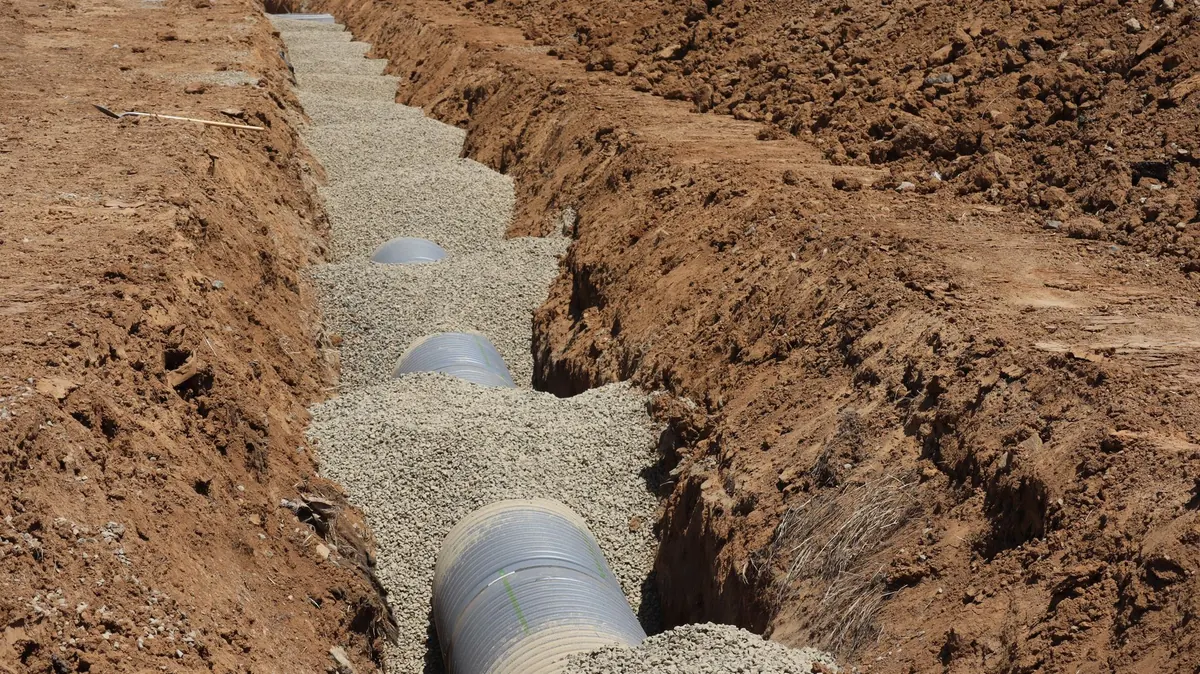
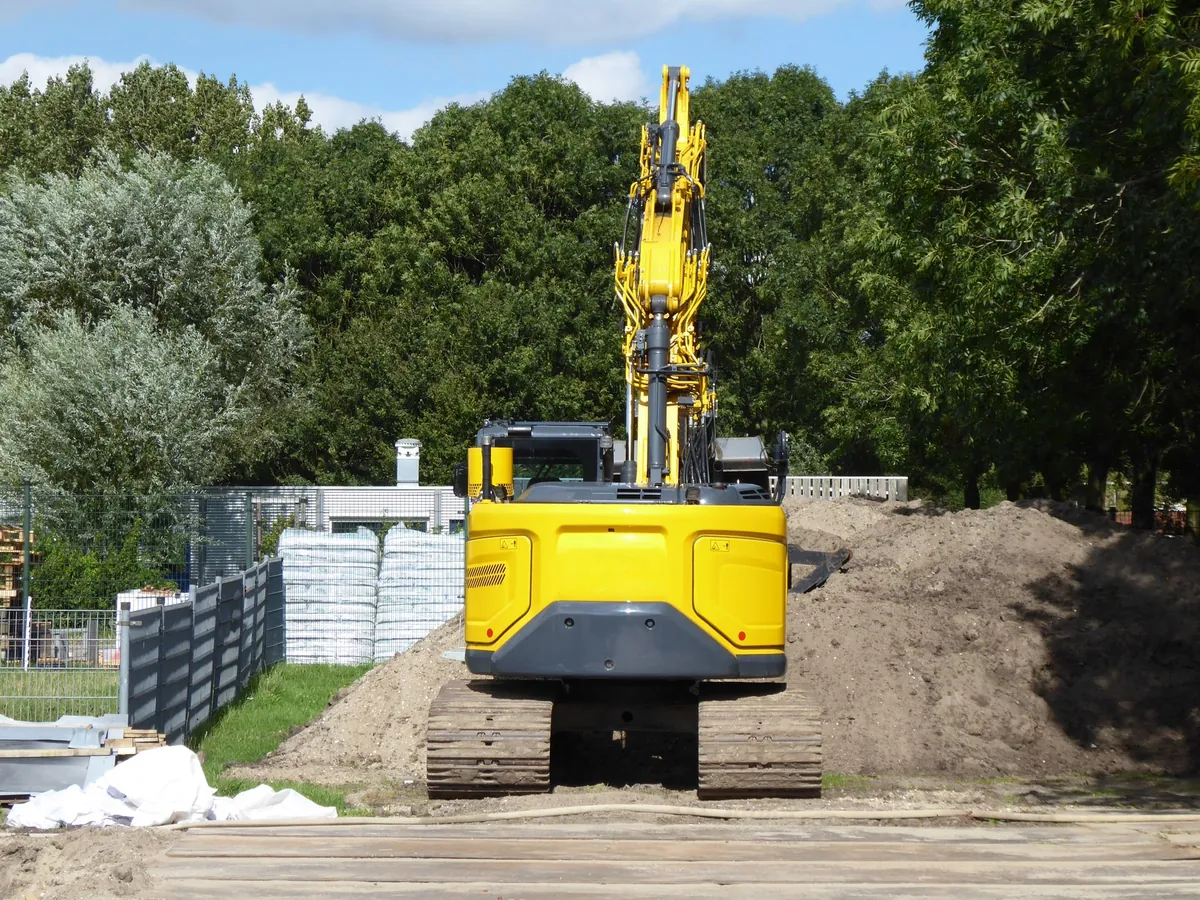
Storm Drains work, up close
A look at the kind of storm drains work we take on. New job photos go up on our Facebook and Instagram as projects finish.
Where we do this work, and what else we do
Storm Drains near you
- Our home base — acreage, new construction and established Highway 6 neighborhoods.
- Shadow Creek Ranch to the Old Townsite — irrigation, drainage and full landscape installs.
- Brazos bottomland acreage — land clearing, grading and drainage on large parcels.
- South and southwest Houston — bayou-adjacent yards, older lots and commercial property.
Other services
- Design and installation, sod, planting beds, mulch and stone — yards built to hold up to Gulf Coast summers.
- New sprinkler installs, system design, zone and controller work, and repairs that stop water waste.
- French drains, catch basins, downspout tie-ins and regrading for yards that hold water after a storm.
- Lot clearing, brush and tree removal, and rough grading for new builds, acreage and overgrown property.
- Paver patios and walkways, retaining walls, stone borders and tree rings that give a yard its structure.