
Drainage Solutions & French Drains in Pearland, Manvel & Houston, TX
Flat lots, heavy clay and Houston rain are a bad combination. We find where the water stalls, then build it a way out.
About Drainage Solutions
Standing water in a Gulf Coast yard is not bad luck, it is physics. The ground here is flat, the soil is clay that drains slowly at the best of times, and the rain arrives several inches at a time. If a yard has no fall and nowhere to send water, every storm leaves it sitting — killing turf, breeding mosquitoes, softening the ground against the foundation and turning half the property into a place nobody walks.
Drainage work starts with diagnosis, not digging. We want to know where the water comes from, where it stops, how long it stays, and where it can legally and physically go. Then we pick the fix: regrading a low area, running a French drain through it, setting catch basins at the collection points, tying the downspouts into a solid line, or some combination. Done properly, the yard drains after the rain instead of days later.
What we handle
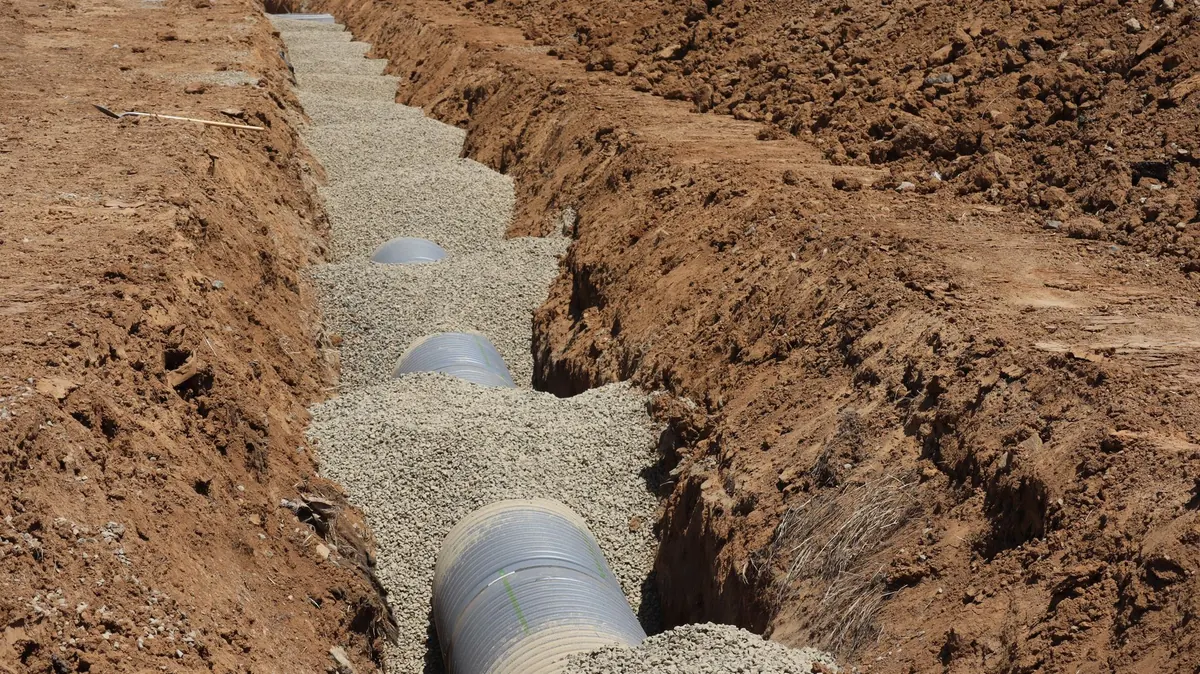
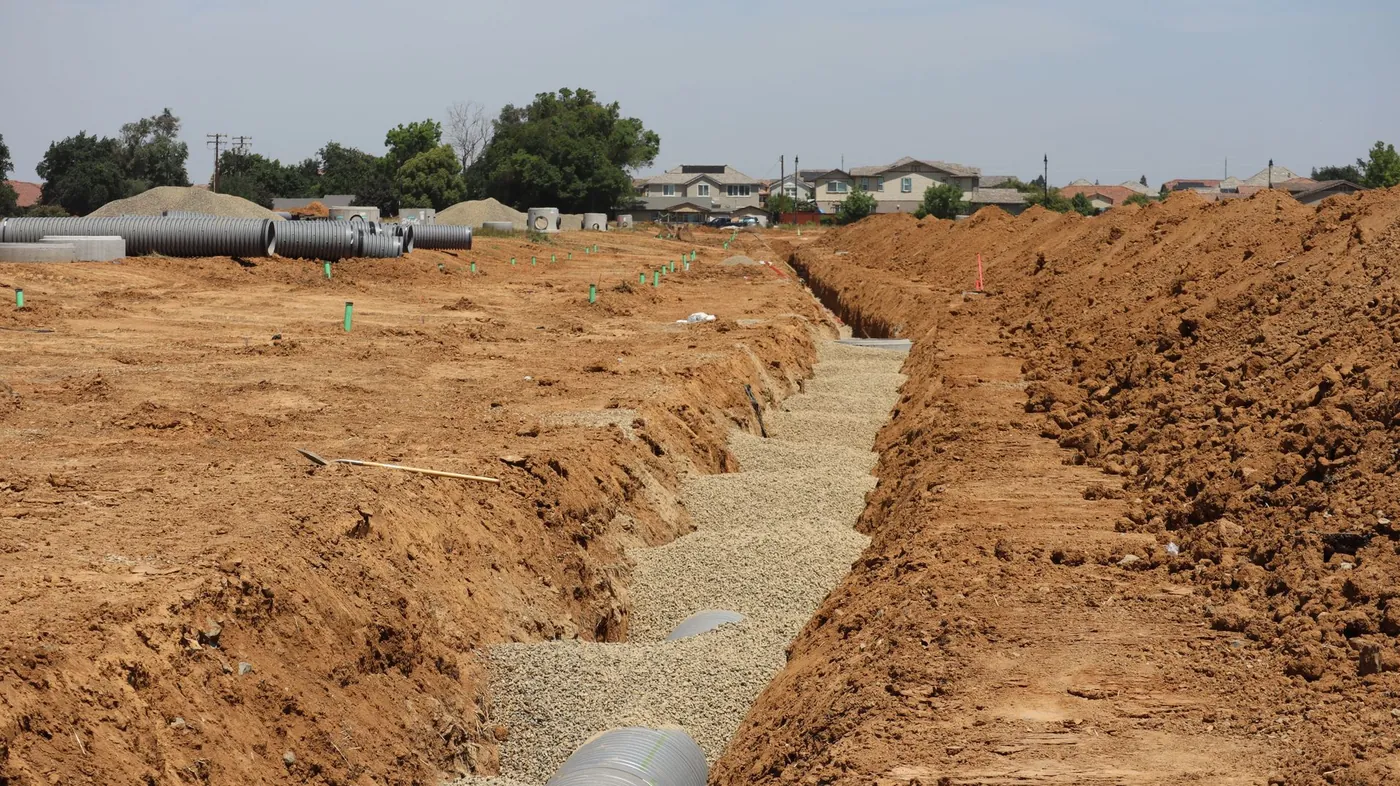
- French drains — perforated pipe, clean gravel and filter fabric, sloped to an outlet
- Catch basins and area drains at the spots where water collects
- Downspout tie-ins so roof water leaves the foundation instead of pooling beside it
- Surface regrading and swales to give a flat yard somewhere to shed to
- Trench and channel drains across driveways, walks and patio edges
- Drainage corrections around new construction and recently graded lots
- Commercial lots, HOA common areas and acreage drainage
How a drainage project runs
- 1
See where the water goes
We walk the property, look at the low spots, the stains, the dead turf and the erosion lines, and ask what it looks like during a real storm. Photos from the last big rain help more than anything.
- 2
Find the outlet
Every drain has to end somewhere — a ditch, a lower corner, a street or an existing storm line. The whole design depends on where that outlet is and how much fall we have to work with.
- 3
Dig and build it right
Trenches get cut with consistent fall, pipe is bedded in washed gravel and wrapped so it does not silt up, basins are set at grade, and everything gets backfilled and the surface restored.
- 4
Test with water
We run water through the system and watch the outlet before we call it finished, then go over what to expect in the next heavy rain.
What good drainage protects
Your foundation
Clay soil swells when it is soaked and shrinks when it dries. Water that sits against a slab for days at a time is a problem that gets expensive later.
Your lawn and beds
Turf roots drown in standing water and most landscape plants will not tolerate wet feet. Drainage is usually the real fix for a lawn that keeps dying in the same spot.
Your usable yard
A back half that stays soggy for a week after every storm is not yard, it is a swamp with a fence around it.
Mosquitoes and mud
Standing water is a breeding ground and a mess tracked into the house. Moving it off the property solves both.
Drainage work, up close
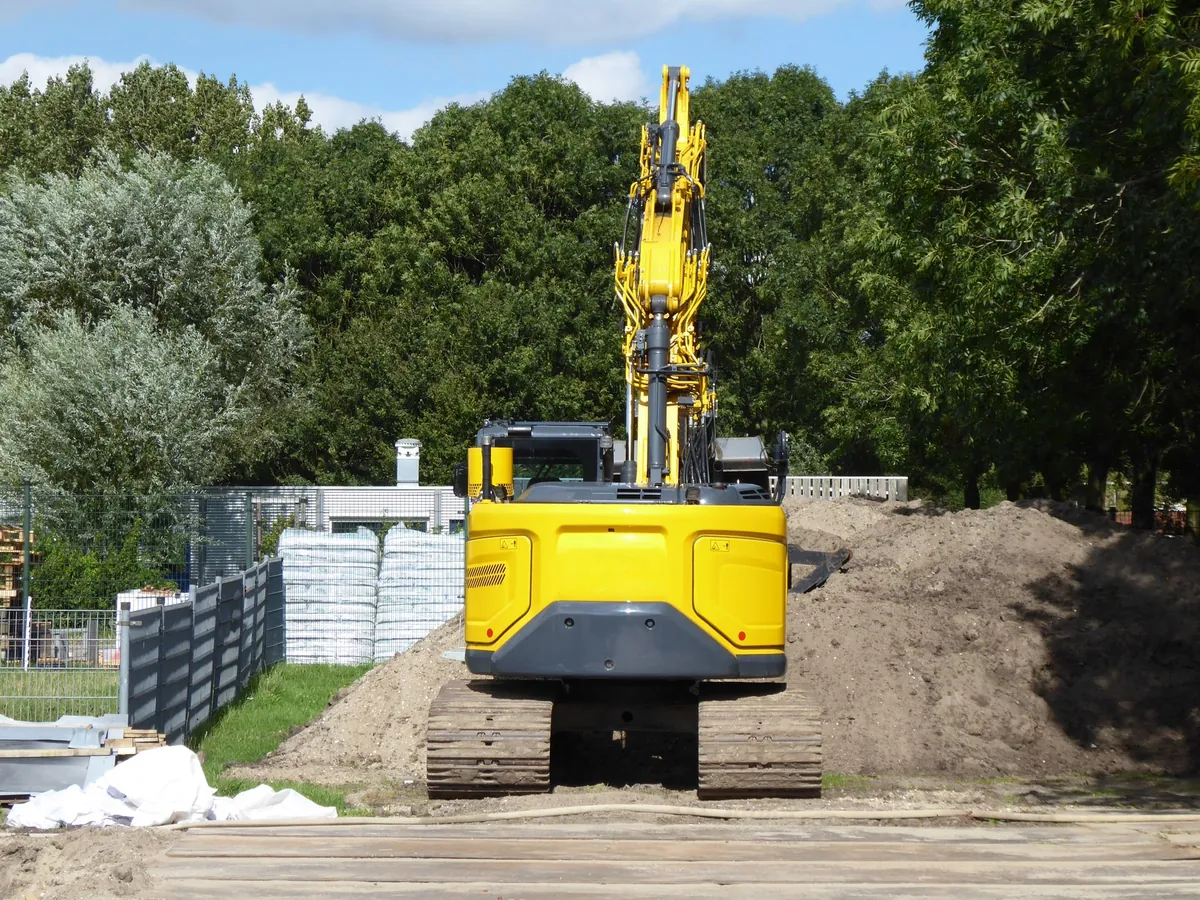
A look at the kind of drainage work we take on. New job photos go up on our Facebook and Instagram as projects finish.
Where we do this work, and what else we do
Drainage near you
- Shadow Creek Ranch to the Old Townsite — irrigation, drainage and full landscape installs.
- Mature, tree-shaded yards along Clear Creek where drainage work earns its keep.
- South and southwest Houston — bayou-adjacent yards, older lots and commercial property.
- Town lots and country acreage in one of the rainiest corners of Texas.
Other services
- Design and installation, sod, planting beds, mulch and stone — yards built to hold up to Gulf Coast summers.
- New sprinkler installs, system design, zone and controller work, and repairs that stop water waste.
- Storm drain installation, inlets, catch basins and tie-ins for residential lots and commercial property.
- Lot clearing, brush and tree removal, and rough grading for new builds, acreage and overgrown property.
- Paver patios and walkways, retaining walls, stone borders and tree rings that give a yard its structure.