
Hardscaping, Paver Patios & Retaining Walls in Pearland & Houston, TX
Pavers, stone and block set on a base that will not move — the structure that turns a lawn into a yard you actually use.
About Hardscaping
Hardscape is what gives a landscape its bones: somewhere to sit, a dry route to the back gate, a wall that holds a slope, a crisp border that keeps the beds and the lawn out of each other's business. It is also the part of a yard that fails most visibly when it is built badly, because gumbo clay moves — and anything set straight on it moves with it.
We build paver patios and walkways, retaining and seat walls, stone and brick borders and tree rings. The part that matters happens before the first paver goes down: excavating to the right depth, building and compacting a proper base, and making sure water has somewhere to go instead of collecting under the installation or behind the wall.
What we handle
- Paver patios, sitting areas and extensions off existing slabs
- Paver and stone walkways, paths and side-yard routes
- Retaining walls in block or natural stone, with drainage behind them
- Stone and brick borders, bed edging and mow strips
- Tree rings and raised planting beds
- Commercial walkways, entries and frontage hardscape
How a hardscape project runs
- 1
Layout and materials
We mark the shape on the ground so you can see the real footprint, then go through paver or stone options, pattern, color and edge detail against the house and the existing landscape.
- 2
Excavate and base
The area is cut to depth and a compacted base is built up in lifts. This is the invisible part that decides whether the patio still looks right in five years.
- 3
Set and lock
Pavers are laid to the pattern, cut in cleanly at the edges, held with edge restraint and locked with joint sand. Walls are built on a compacted footing with drainage material and backfill behind them.
- 4
Blend it back in
Beds, sod, mulch and any irrigation heads moved during the work get put back, so the finished area looks like it belongs rather than like it was dropped in.
Built for clay
Base work does the work
On expansive clay, the depth and compaction of the base is the whole job. Shortcuts there show up as dips, rocking pavers and separated joints.
Walls that drain
A retaining wall is holding back wet soil. Gravel backfill and drainage behind the wall are what keep hydrostatic pressure from pushing it out of line.
Water routed deliberately
Patios and walks change where runoff goes. We plan the fall and, where needed, the drain, so the new surface does not send water at the house.
One crew, whole yard
Hardscape, drainage, irrigation and planting are all in-house, so the patio, the drain under it and the beds around it are built in the right order.
Hardscaping work, up close
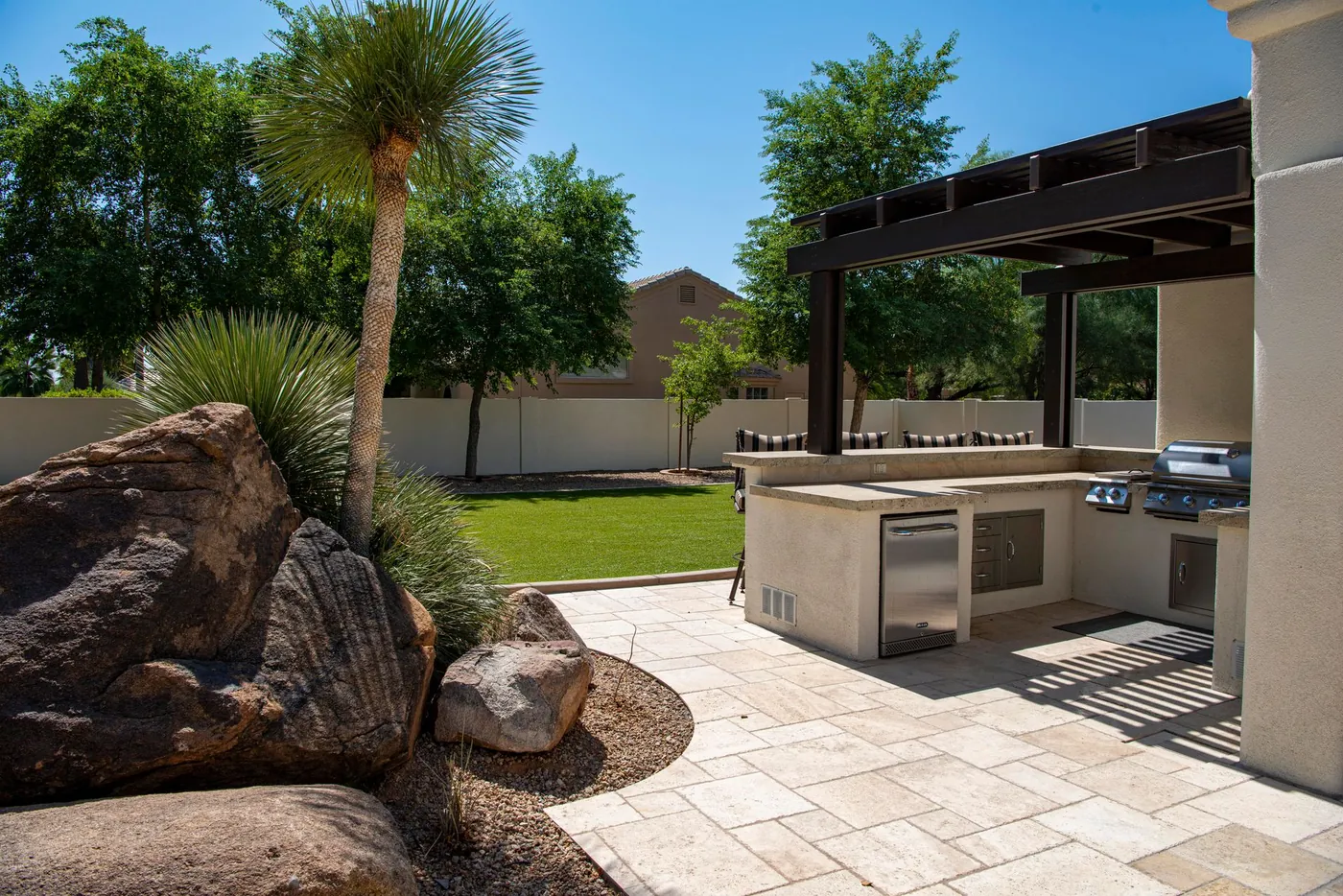
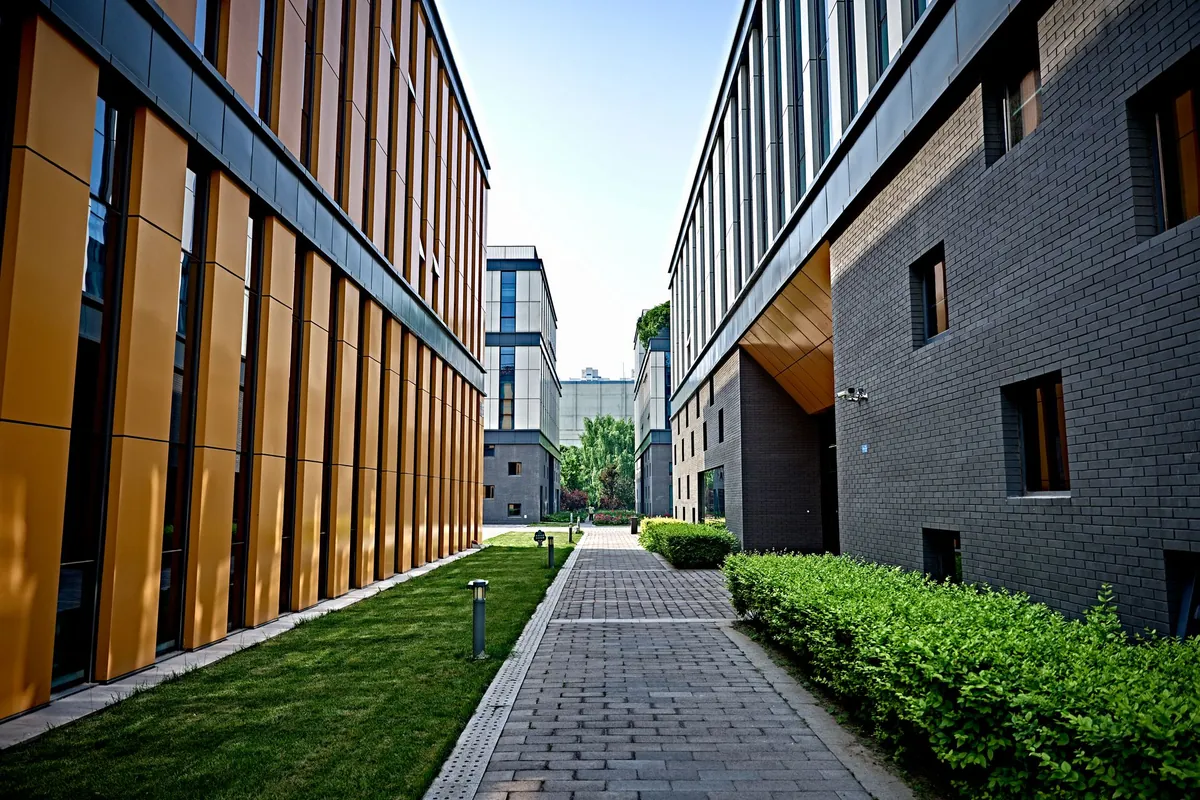
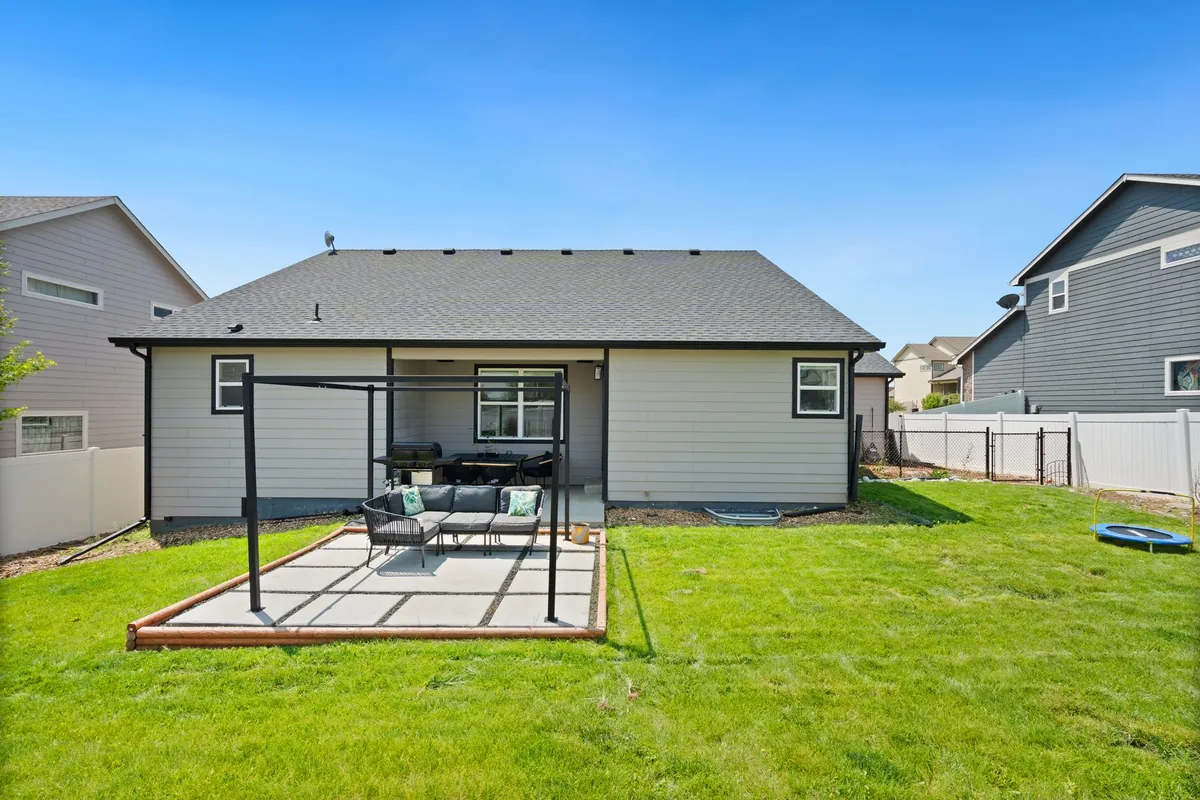
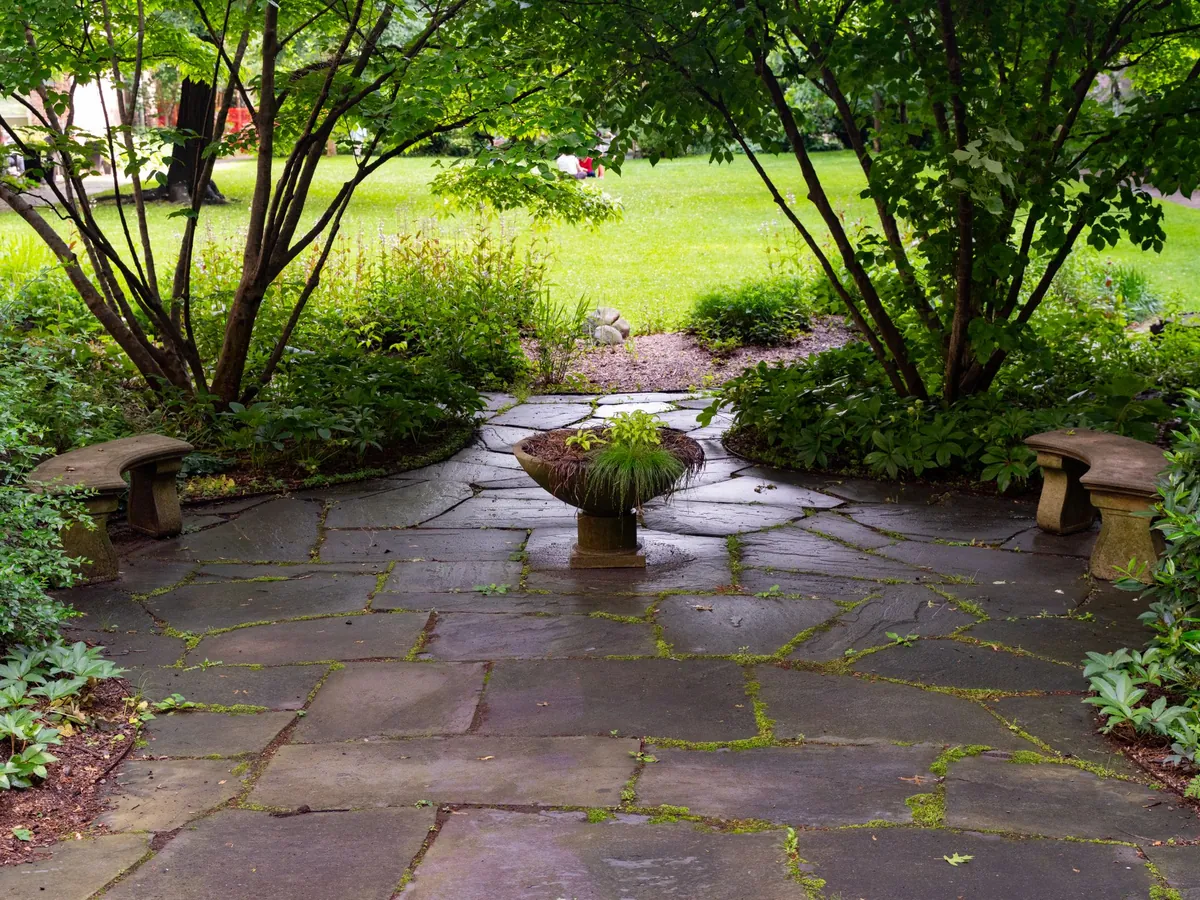
A look at the kind of hardscaping work we take on. New job photos go up on our Facebook and Instagram as projects finish.
Where we do this work, and what else we do
Hardscaping near you
- Shadow Creek Ranch to the Old Townsite — irrigation, drainage and full landscape installs.
- Deed-restricted neighborhoods that expect a sharp, well-watered landscape year round.
- Sienna and the Fort Bend clay belt — irrigation, hardscape and yard drainage.
- Mature, tree-shaded yards along Clear Creek where drainage work earns its keep.
Other services
- Design and installation, sod, planting beds, mulch and stone — yards built to hold up to Gulf Coast summers.
- New sprinkler installs, system design, zone and controller work, and repairs that stop water waste.
- French drains, catch basins, downspout tie-ins and regrading for yards that hold water after a storm.
- Storm drain installation, inlets, catch basins and tie-ins for residential lots and commercial property.
- Lot clearing, brush and tree removal, and rough grading for new builds, acreage and overgrown property.